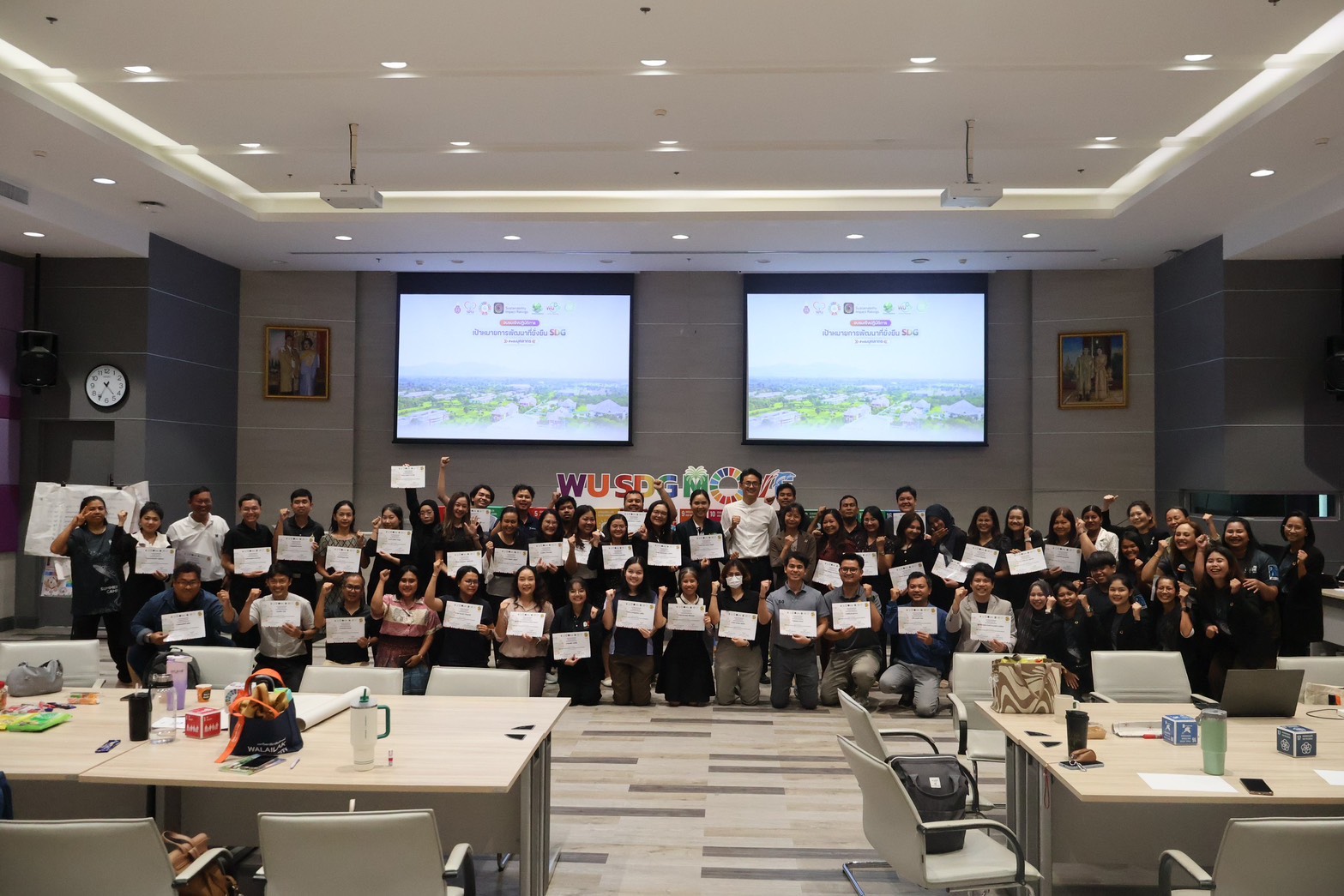
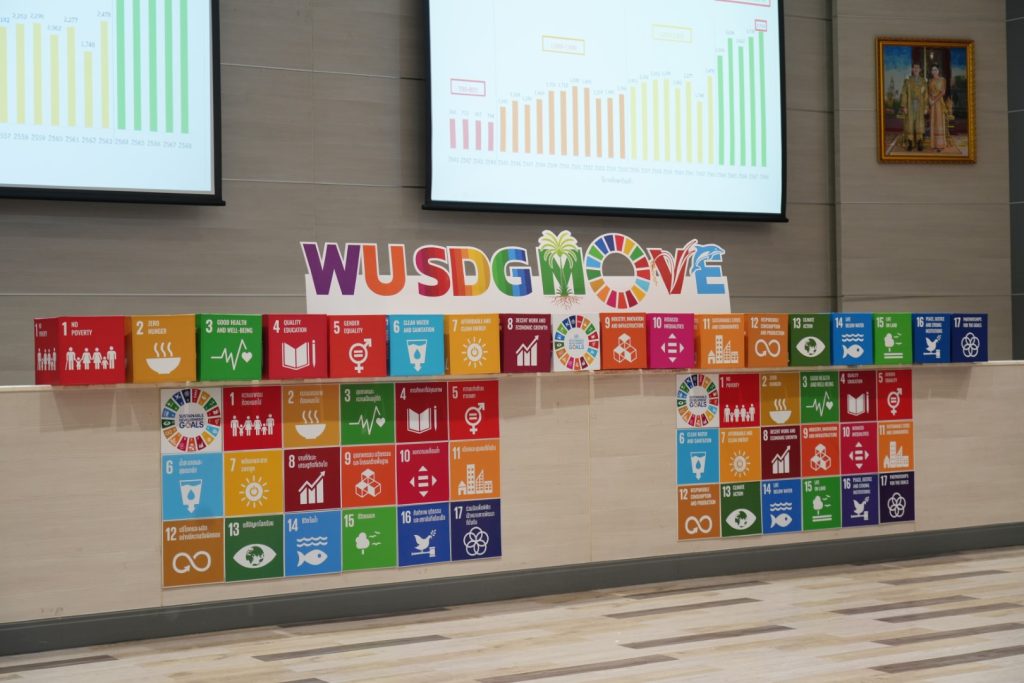
Walailak University – On May 5, 2026, personnel from the Internal Audit Unit at Walailak University participated in the Sustainable Development Goals (SDGs Workshop) organized by the Academic Service Center at the Phatthradharmarond Meeting Room, Walailak University Hospital. The session aimed to enhance understanding of sustainable development and build a core force to integrate SDGs into internal operational practices.
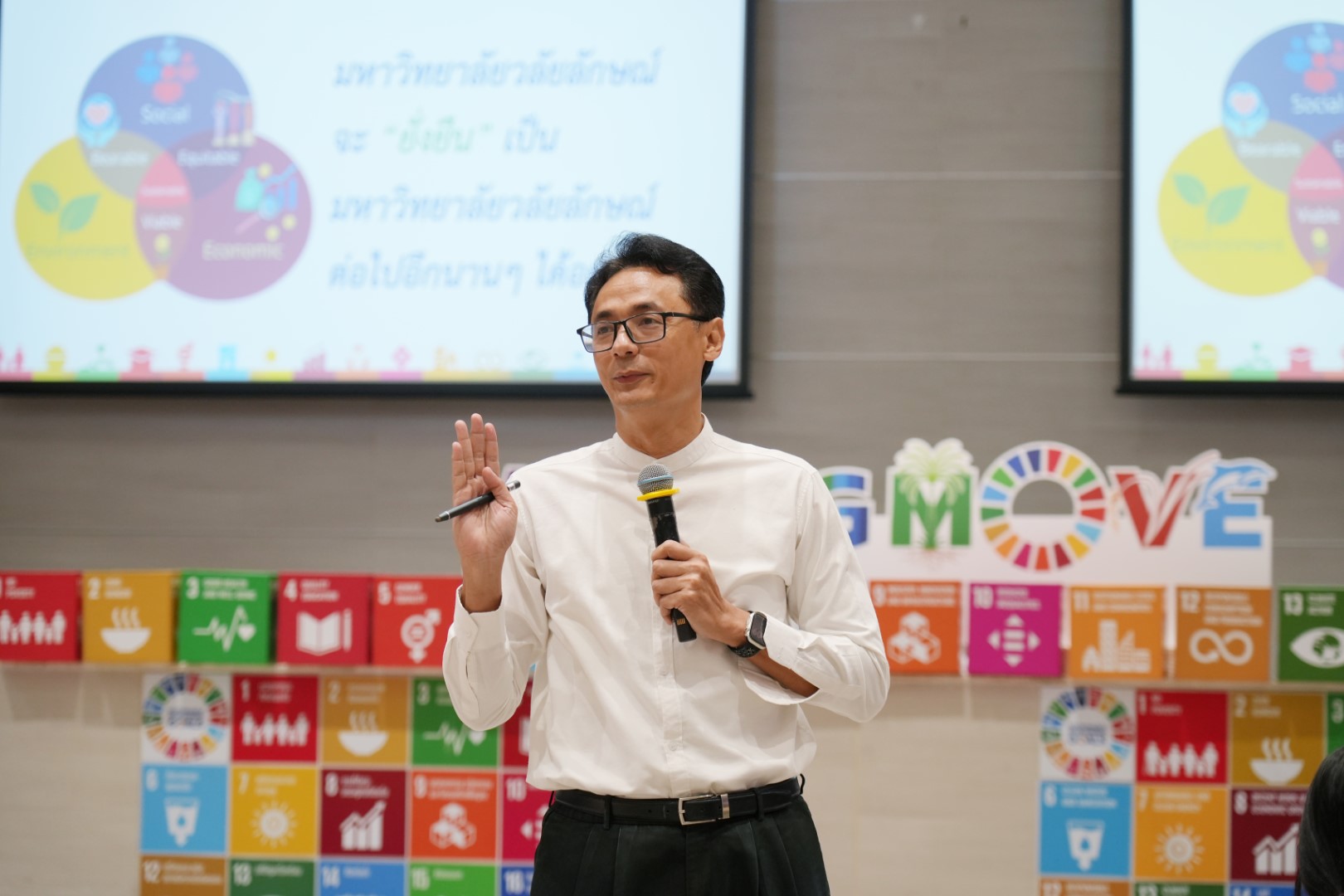
The training was honored by Associate Professor Dr. Varit Chareonchit, Vice President for Administration and Sustainable Development, who presided over the opening and delivered a special lecture titled “Walailak University’s Sustainability Drive Policy.” The talk reinforced the university’s strategic direction under its 20-Year Strategic Plan (2018–2037), which emphasizes balanced development across economic, social, and environmental dimensions.
Additionally, participants attended a lecture on “Carbon Neutrality for a Green University” by Associate Professor Dr. Lakkhana Khwan-Chum, Deputy Director of the Academic Service Center. The session introduced the Zero Carbon Thailand application—a digital platform for calculating carbon footprints for internal events and organizational operations.
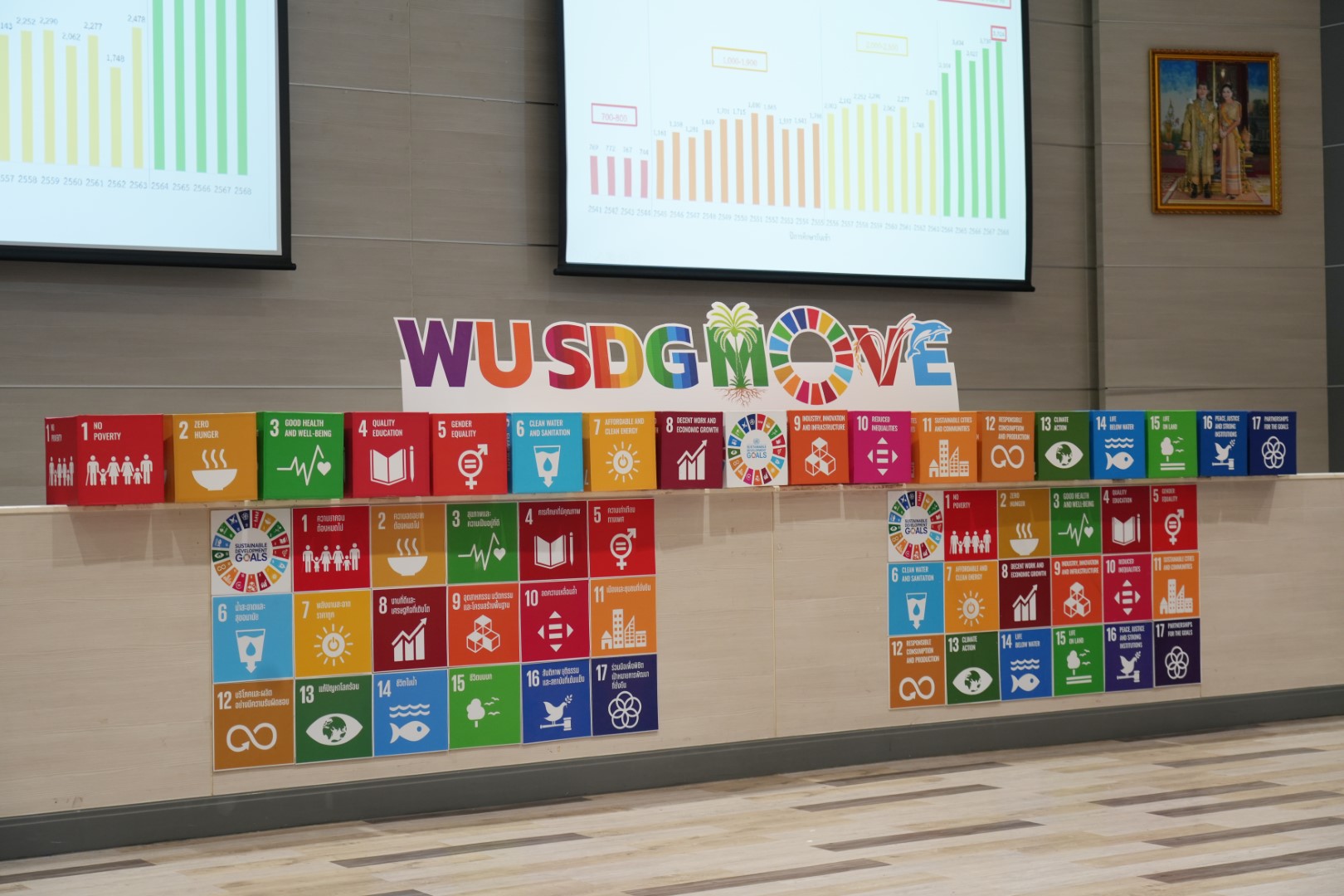
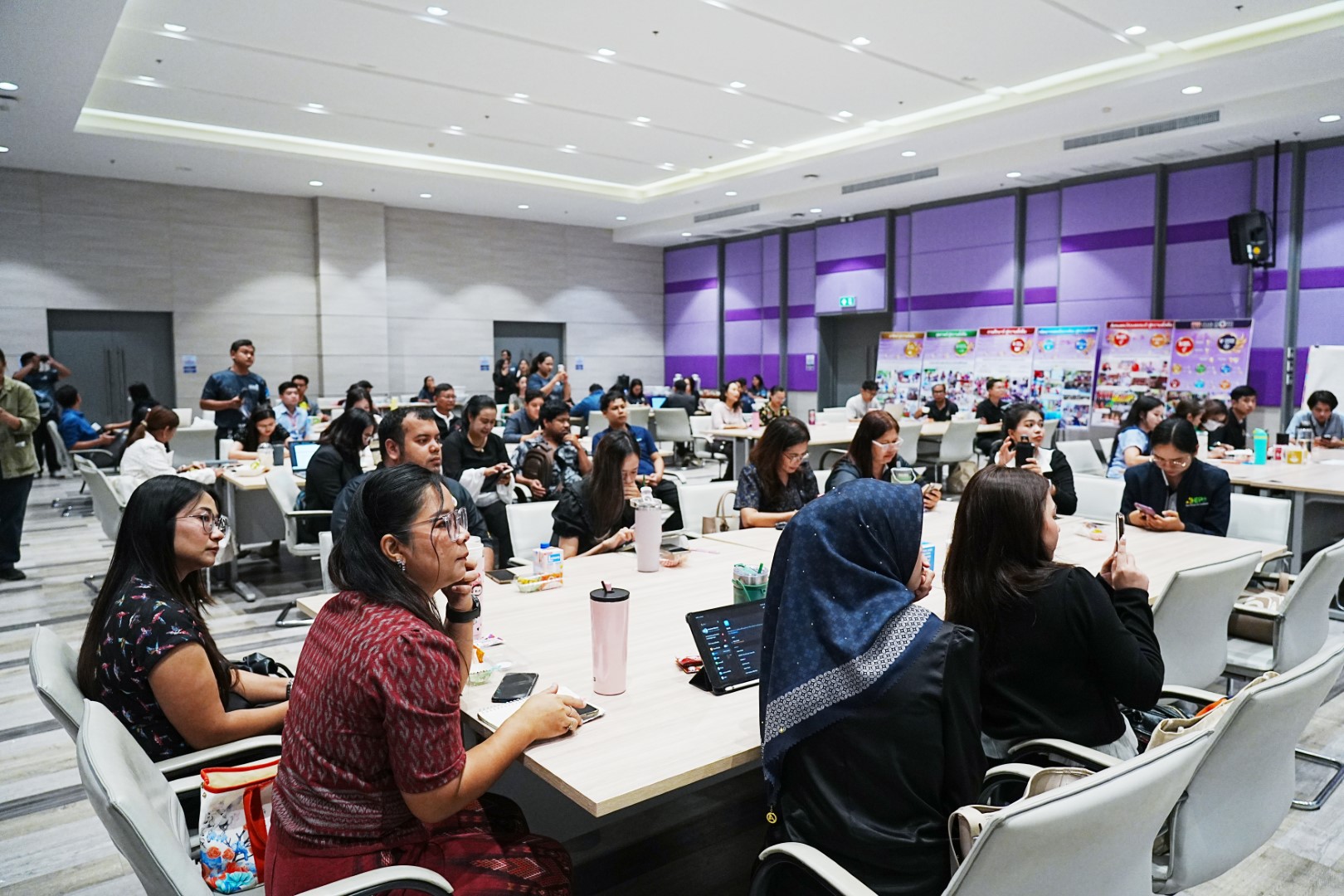
The event saw over 50 executives, faculty members, and staff from various departments participate in interactive learning activities, including an SDGs board game, group discussions, and idea sharing. These activities aimed to drive the practical implementation of sustainability projects university-wide, aligning with Walailak University’s recent achievement in the Times Higher Education Impact Rankings 2025, where it ranked No. 1 globally for SDG 5 (Gender Equality), alongside outstanding performances in SDG 2, SDG 3, SDG 4, SDG 14, and SDG 17.
Role of the Internal Audit Unit: Participating in this training provided Internal Audit personnel with key strategic knowledge and perspectives on sustainability. This enhances their capacity to audit, monitor, and support internal workflows to ensure transparency, high standards, and effective alignment with the policy of becoming a “University of Sustainability.”